Understanding Stress and Anxiety
Defining Stress and Anxiety
Stress and anxiety are deeply intertwined concepts that affect millions of people worldwide. Stress is often a response to an external factor or situation, triggering a physiological reaction in the body. It can arise from various sources such as work, relationships, or significant life events. On the other hand, anxiety is characterized by excessive worry and fear, which can become a persistent condition affecting daily functioning. Understanding these differences is crucial for effective management. Properly addressing stress and anxiety requires a multifaceted approach, incorporating both lifestyle changes and mental health strategies.
The Impact of Stress and Anxiety on Daily Life
Stress and anxiety can have a profound impact on daily life, influencing physical health, emotional well-being, and overall quality of life. Individuals experiencing high levels of stress may find it challenging to concentrate, perform tasks efficiently, and maintain interpersonal relationships. The physical manifestations of stress, such as headaches, fatigue, and digestive issues, can further exacerbate these challenges, creating a vicious cycle. Anxiety can lead to avoidance behaviors, where individuals retreat from situations that trigger their fears, ultimately limiting their life experiences. Recognizing these impacts early can lead to more effective coping strategies and lifestyle adjustments.
Common Symptoms to Recognize
Identifying the symptoms of stress and anxiety is essential for timely intervention. Common symptoms include:
- Increased heart rate
- Sleep disturbances, such as insomnia or restless sleep
- Frequent irritability or mood swings
- Difficulty concentrating or making decisions
- Social withdrawal or avoidance of certain situations
These symptoms can manifest differently in each individual, making it vital to stay attuned to one’s emotional and physical state.
Causes of Stress and Anxiety
External Triggers and Life Events
External triggers such as significant life changes, work-related pressures, and interpersonal conflicts can catalyze stress and anxiety. Major life events, including moving to a new city, starting a new job, or experiencing loss, can introduce uncertainty and insecurity, leading to heightened anxiety. Furthermore, chronic stressors like financial difficulties or a toxic work environment may contribute to long-term anxiety conditions. Understanding these triggers can empower individuals to implement proactive strategies to mitigate their impact.
Internal Factors and Mental Health
Internal factors such as personality traits, resilience, and past experiences significantly shape one’s response to stress and anxiety. For instance, individuals with perfectionistic tendencies may feel increased pressure, leading to heightened anxiety when their standards are not met. Similarly, someone with a history of trauma may develop maladaptive coping mechanisms, further exacerbating anxiety symptoms. It is essential to address these internal factors through self-reflection and therapeutic practices to foster a healthier mindset.
The Role of Genetics
Research suggests that genetics can play a fundamental role in an individual’s propensity for stress and anxiety. Certain genetic markers may predispose individuals to heightened emotional responses, impacting their ability to manage stress effectively. While genetics is a factor one cannot change, understanding its role can illuminate why some may be more susceptible to stress and anxiety than others. This insight allows for personalized coping strategies that cater to individual needs.
Practical Techniques for Management
Mindfulness and Meditation Practices
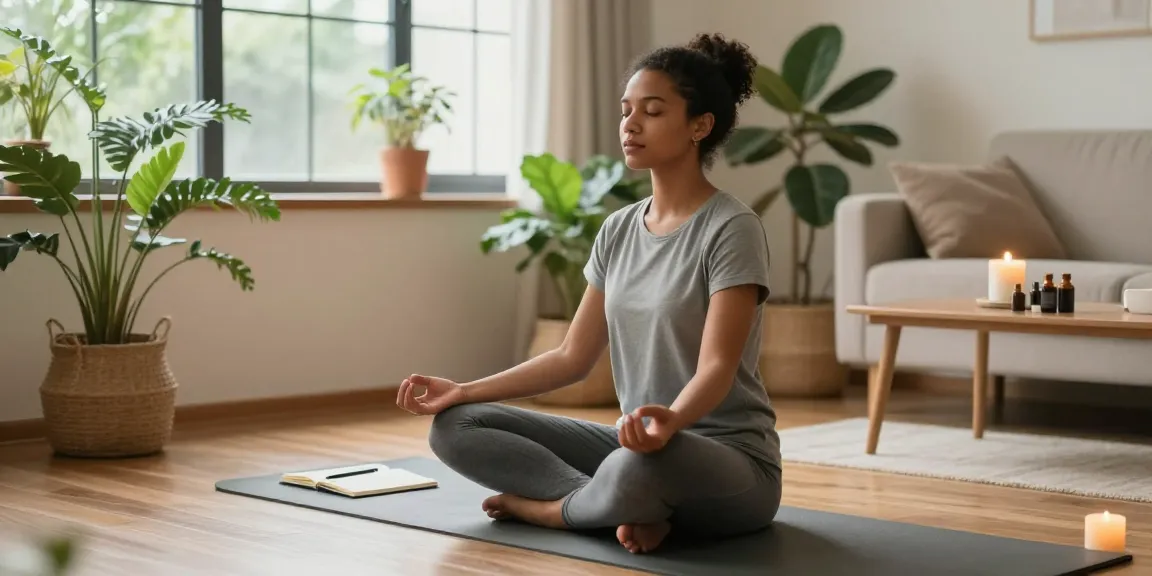
Incorporating mindfulness and meditation into daily routines is a powerful way to alleviate symptoms of stress and anxiety. Mindfulness, the practice of maintaining a moment-to-moment awareness of one’s thoughts and feelings, can enhance emotional regulation. Techniques such as focused breathing, body scans, and guided meditation foster relaxation and enhance clarity. Regular practice can reshape how the brain processes stress, leading to improved overall mental health. Starting with as little as five minutes a day can make a significant difference.
Breathing Exercises to Reduce Tension
Breathing exercises are simple yet effective tools for managing stress and anxiety. Techniques such as diaphragmatic breathing or the 4-7-8 method help induce a relaxation response in the body. Here’s a quick guide to the 4-7-8 method:
- Inhale quietly through your nose for four seconds.
- Hold your breath for seven seconds.
- Exhale completely through your mouth for eight seconds.
- Repeat this cycle four times.
This practice can bring immediate relief during moments of heightened anxiety, allowing individuals to regain control over their physiological state.
Physical Activities That Help
Physical activity is a crucial component of managing stress and anxiety. Exercise releases endorphins, the body’s natural mood lifters, and can serve as a form of emotional release. Regular activities such as walking, jogging, yoga, or dance can vastly improve mental health outcomes. Finding an enjoyable physical activity can enhance adherence and consistency, making it easier to incorporate exercise into one’s lifestyle. Aim for at least 30 minutes of moderate exercise on most days to reap the psychological benefits.
Healthy Lifestyle Choices
The Importance of Nutrition
Nutrition plays a vital role in managing stress and anxiety levels. Foods rich in omega-3 fatty acids, antioxidants, and vitamins can support brain health and enhance stress resilience. Incorporating a balanced diet filled with fruits, vegetables, whole grains, and lean proteins can provide the necessary nutrients to maintain optimal mental health. Moreover, staying hydrated and limiting caffeine and sugar can help stabilize mood swings and reduce feelings of anxiety.
Sleep Hygiene and Stress Reduction
Sleep hygiene is especially important in the management of stress and anxiety. Quality sleep facilitates recovery and emotional regulation, while poor sleep can exacerbate stress. Establishing a regular sleep routine, creating a restful environment, and limiting screen time before bed can enhance sleep quality. Aim for seven to nine hours of uninterrupted sleep per night to ensure your body and mind are well-rested and prepared to handle daily challenges.
Establishing a Routine
Establishing a daily routine can provide structure, which is instrumental in reducing stress and anxiety. A consistent schedule helps individuals feel more in control and less anxious about the day’s unpredictability. Incorporate designated times for work, relaxation, physical activity, and social interactions to create a balanced life. This intentional approach helps in managing daily demands more effectively, and fosters a sense of accomplishment and routine.
Seeking Professional Help
When to Consider Therapy
Recognizing when to seek professional help is crucial for effective stress and anxiety management. If symptoms persist despite self-help efforts, or if they begin to interfere significantly with daily activities, therapy may be warranted. Mental health professionals can offer valuable tools and strategies tailored to individual needs, addressing both symptoms and underlying causes. Seeking help is a proactive approach to fostering mental well-being.
Understanding Different Types of Therapies
Various therapeutic approaches exist to address stress and anxiety. Cognitive Behavioral Therapy (CBT), for example, focuses on identifying and challenging negative thought patterns that contribute to anxiety. Other approaches, such as Mindfulness-Based Stress Reduction (MBSR) and Acceptance and Commitment Therapy (ACT), emphasize mindfulness practices and acceptance strategies. Understanding these options allows individuals to choose a path that resonates with their experiences and preferences.
Benefits of Support Groups
Joining support groups can provide a sense of community and understanding among individuals facing similar challenges. Sharing experiences and coping strategies in a safe environment can foster healing and resilience. Support groups can also help reduce feelings of isolation and normalizes the experience of dealing with stress and anxiety. Many find that connecting with others promotes a sense of hope and encourages positive lifestyle changes.
Frequently Asked Questions
What are common symptoms of stress and anxiety?
Common symptoms include increased heart rate, sleep disturbances, irritability, and difficulty concentrating.
Can mindfulness help with stress and anxiety?
Yes, mindfulness practices such as meditation can significantly reduce stress and anxiety by promoting relaxation and awareness.
When should I seek professional help for stress and anxiety?
If symptoms interfere with daily life or persist despite self-management efforts, it’s advisable to seek professional help.
What lifestyle changes can improve stress and anxiety levels?
A balanced diet, regular exercise, and sufficient sleep can greatly improve stress and anxiety levels effectively.
Are there natural remedies for stress and anxiety?
Yes, natural remedies like herbal teas, essential oils, and omega-3 fatty acids can support overall mental well-being.